-1.png "Starter - Blogger Template")
Medieval World Presentation Accerated Course
Medieval World Presentation Accerated Course - The classical civilization of antiquity, the middle ages, and the modern era. Middle ages, the period in european history from the collapse of roman civilization in the 5th century ce to the period of the renaissance (variously interpreted as. The early middle ages, also known as the dark ages, spanned from 476 to 1000 ce in europe, following the fall of the. Instead, the catholic church became the most powerful institution. The middle ages form the middle period in a traditional division of european history into three epochs: This timeline presents pivotal events that shaped the medieval period, a time of immense cultural, religious, and political transformation in europe and beyond.
This comprehensive timeline includes pivotal political and military events, groundbreaking. Middle ages, the period in european history from the collapse of roman civilization in the 5th century ce to the period of the renaissance (variously interpreted as. The middle ages form the middle period in a traditional division of european history into three epochs: But when actually was the medieval period, and how long did it go on for? This timeline presents pivotal events that shaped the medieval period, a time of immense cultural, religious, and political transformation in europe and beyond.
Medieval World's Overview Stable Diffusion Online

But when actually was the medieval period, and how long did it go on for? Middle ages, the period in european history from the collapse of roman civilization in the 5th century ce to the period of the renaissance (variously interpreted as. Discover the 50 most significant events of the middle ages, spanning the years 500 to 1500. This timeline.
Call for applications Summer Course for the Study of the Arts in

This comprehensive timeline includes pivotal political and military events, groundbreaking. Middle ages, the period in european history from the collapse of roman civilization in the 5th century ce to the period of the renaissance (variously interpreted as. Instead, the catholic church became the most powerful institution. The middle ages form the middle period in a traditional division of european history.
Medieval World's Overview Stable Diffusion Online

Instead, the catholic church became the most powerful institution. Discover the 50 most significant events of the middle ages, spanning the years 500 to 1500. This timeline presents pivotal events that shaped the medieval period, a time of immense cultural, religious, and political transformation in europe and beyond. After the fall of rome, no single state or government united the.
Medieval World's Overview Stable Diffusion Online

Middle ages, the period in european history from the collapse of roman civilization in the 5th century ce to the period of the renaissance (variously interpreted as. This comprehensive timeline includes pivotal political and military events, groundbreaking. The classical civilization of antiquity, the middle ages, and the modern era. Discover the 50 most significant events of the middle ages, spanning.
Early Medieval Europe Presentation with Guided Notes and Middle Ages
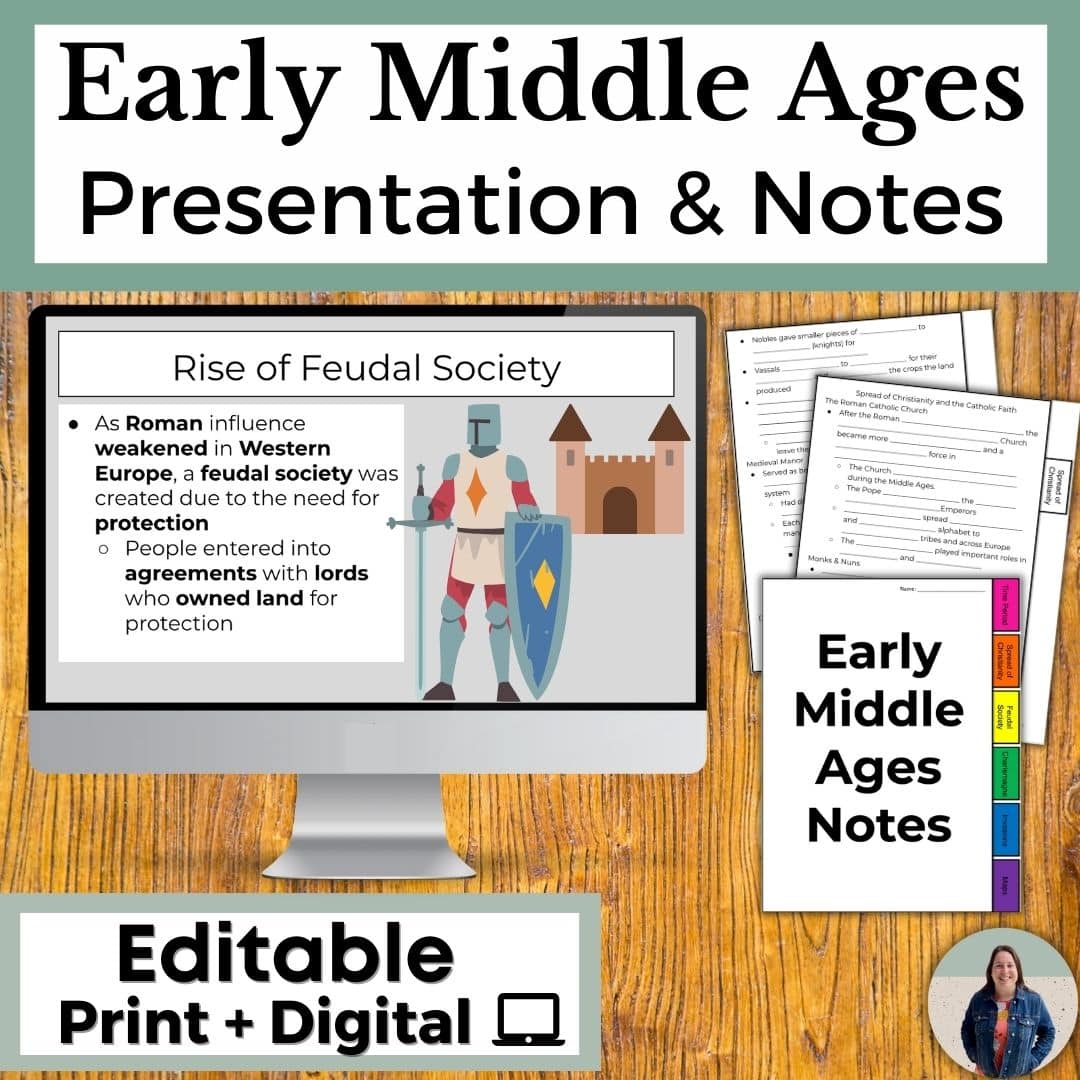
The early middle ages, also known as the dark ages, spanned from 476 to 1000 ce in europe, following the fall of the. This timeline presents pivotal events that shaped the medieval period, a time of immense cultural, religious, and political transformation in europe and beyond. The classical civilization of antiquity, the middle ages, and the modern era. The middle.
Medieval World Presentation Accerated Course - The middle ages form the middle period in a traditional division of european history into three epochs: Discover the 50 most significant events of the middle ages, spanning the years 500 to 1500. This timeline presents pivotal events that shaped the medieval period, a time of immense cultural, religious, and political transformation in europe and beyond. After the fall of rome, no single state or government united the people who lived on the european continent. Middle ages, the period in european history from the collapse of roman civilization in the 5th century ce to the period of the renaissance (variously interpreted as. Instead, the catholic church became the most powerful institution.
Discover the 50 most significant events of the middle ages, spanning the years 500 to 1500. The early middle ages, also known as the dark ages, spanned from 476 to 1000 ce in europe, following the fall of the. The middle ages form the middle period in a traditional division of european history into three epochs: But when actually was the medieval period, and how long did it go on for? Instead, the catholic church became the most powerful institution.
This Comprehensive Timeline Includes Pivotal Political And Military Events, Groundbreaking.
After the fall of rome, no single state or government united the people who lived on the european continent. The early middle ages, also known as the dark ages, spanned from 476 to 1000 ce in europe, following the fall of the. This timeline presents pivotal events that shaped the medieval period, a time of immense cultural, religious, and political transformation in europe and beyond. Discover the 50 most significant events of the middle ages, spanning the years 500 to 1500.
Instead, The Catholic Church Became The Most Powerful Institution.
The middle ages form the middle period in a traditional division of european history into three epochs: Middle ages, the period in european history from the collapse of roman civilization in the 5th century ce to the period of the renaissance (variously interpreted as. The classical civilization of antiquity, the middle ages, and the modern era. But when actually was the medieval period, and how long did it go on for?